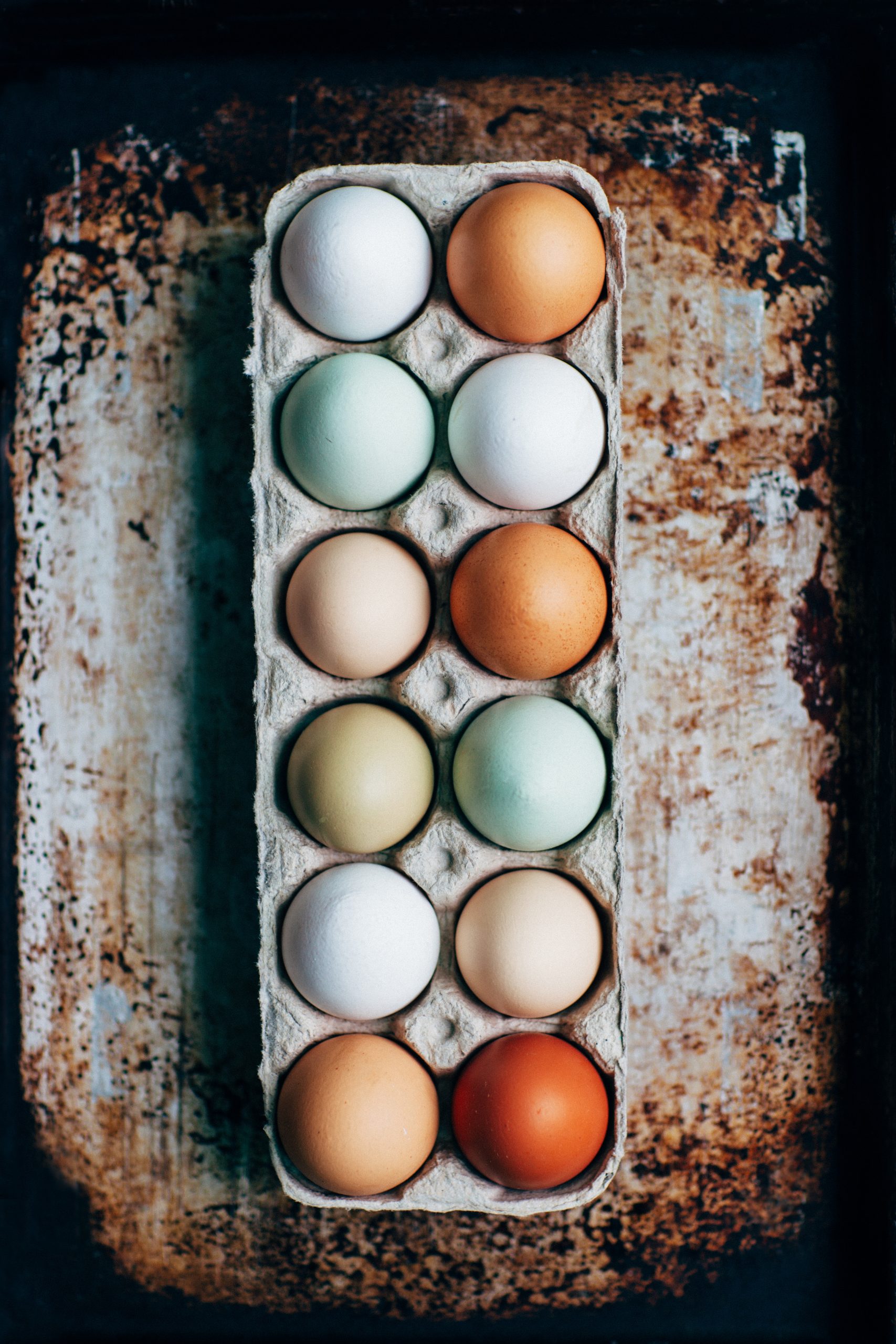
These days, more shoppers are reaching for egg cartons stamped with the words organic, free-range and pasture-raised. These labels evoke idyllic images of hens roaming sunny fields and pecking through lush grass, but the pastoral vocabulary can overshadow a complicated truth: Pasture-raised can still mean thousands of chickens confined to a barn that few, if any, ever leave.
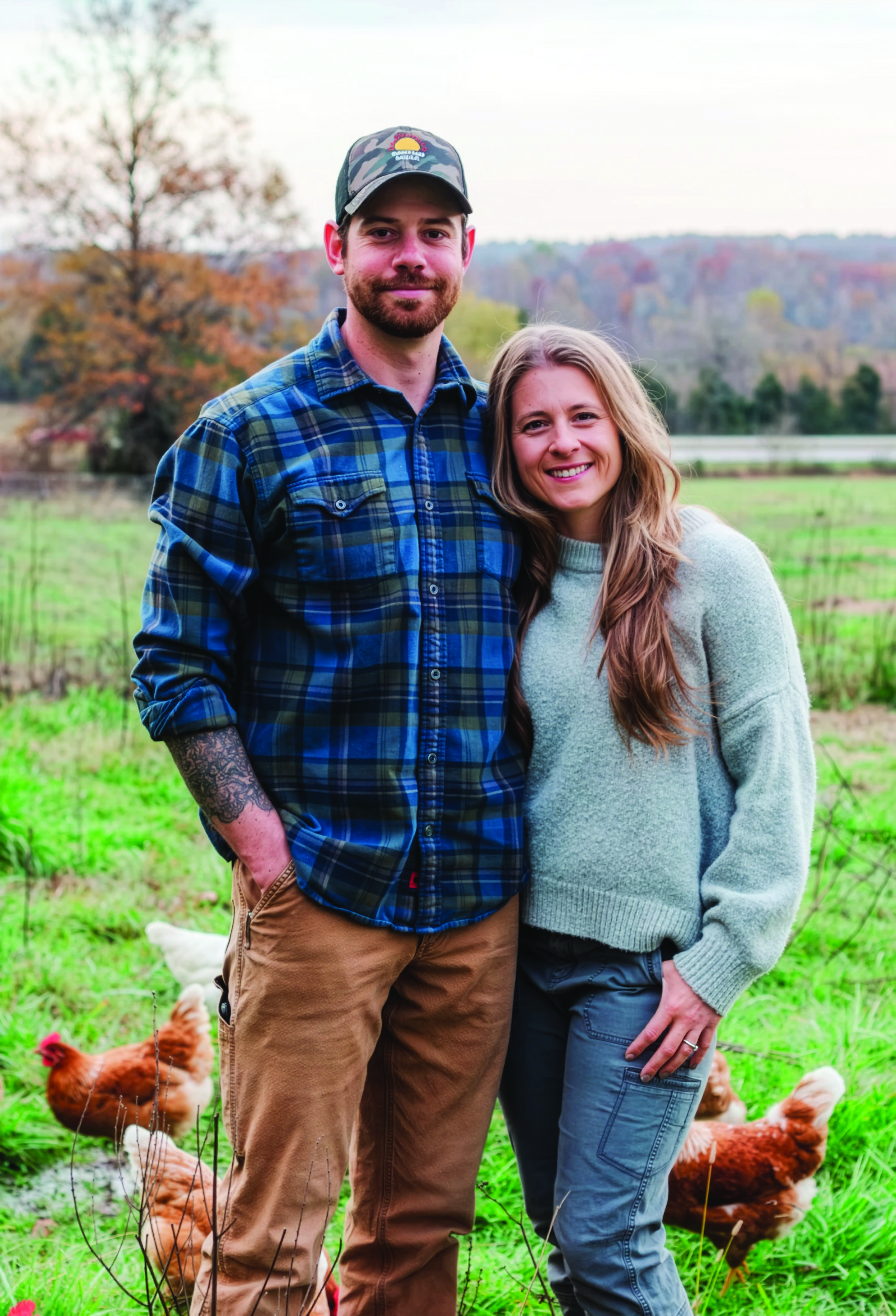
One farmer in western Kentucky, however, is setting a new standard for what healthy, ethically raised eggs can look like. Through regenerative egg farming, Patrick Samuels is proving that a system rooted in movement can produce eggs that are flavorful, nutrient-dense and responsibly sourced.
Patrick and his wife, Victoria, started Sunnyside Egg Co. after leaving the military and purchasing a 9-acre farm. Their original goal was simple: Build a more self-sustaining life for their young family. With no farming experience, they studied various methods until regenerative agriculture emerged as the best option, combining both sustainability and cost-efficiency.
Regenerative egg farming relies heavily on mobility. Coops are moved frequently, ensuring hens always have access to fresh pasture. This rotation prevents soil depletion and keeps the flock healthier. “Our birds spend a lot of time outside. They build immune systems the way they were meant to,” Patrick explains.
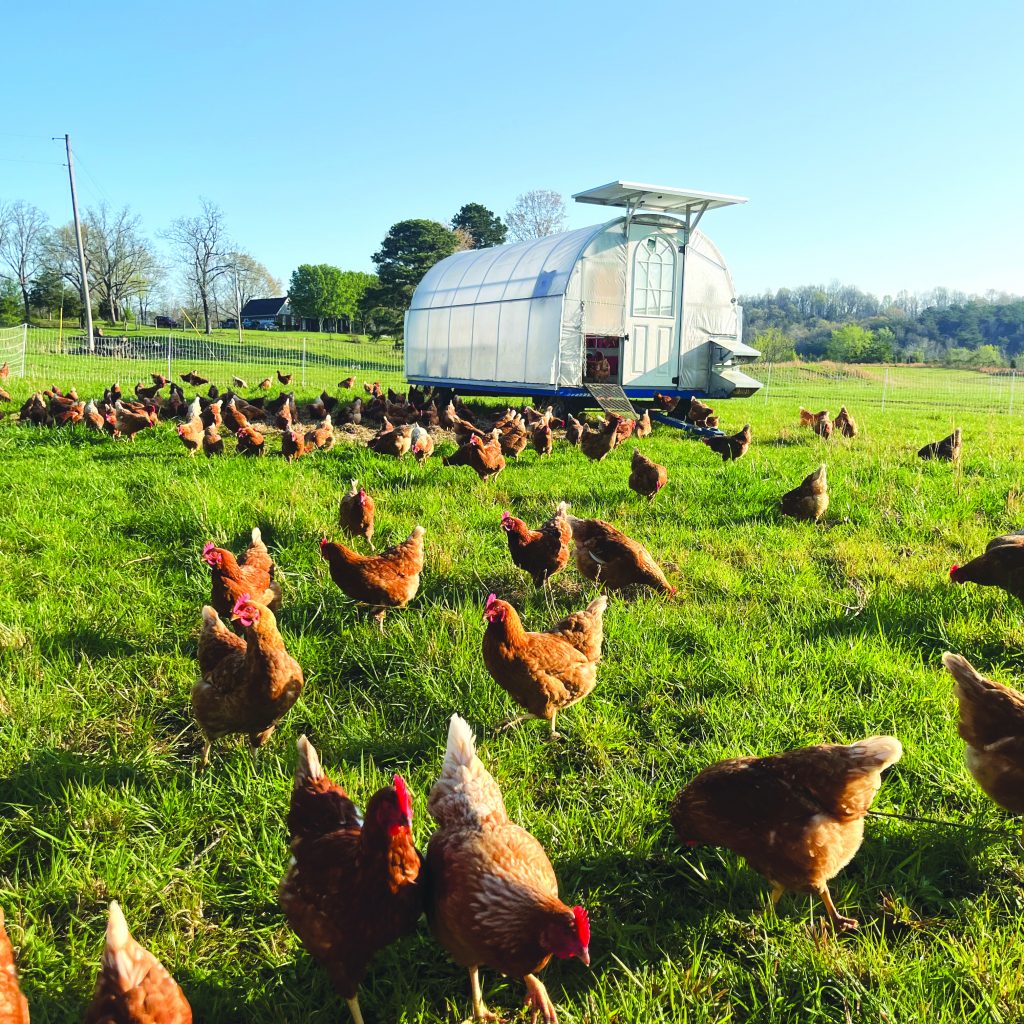
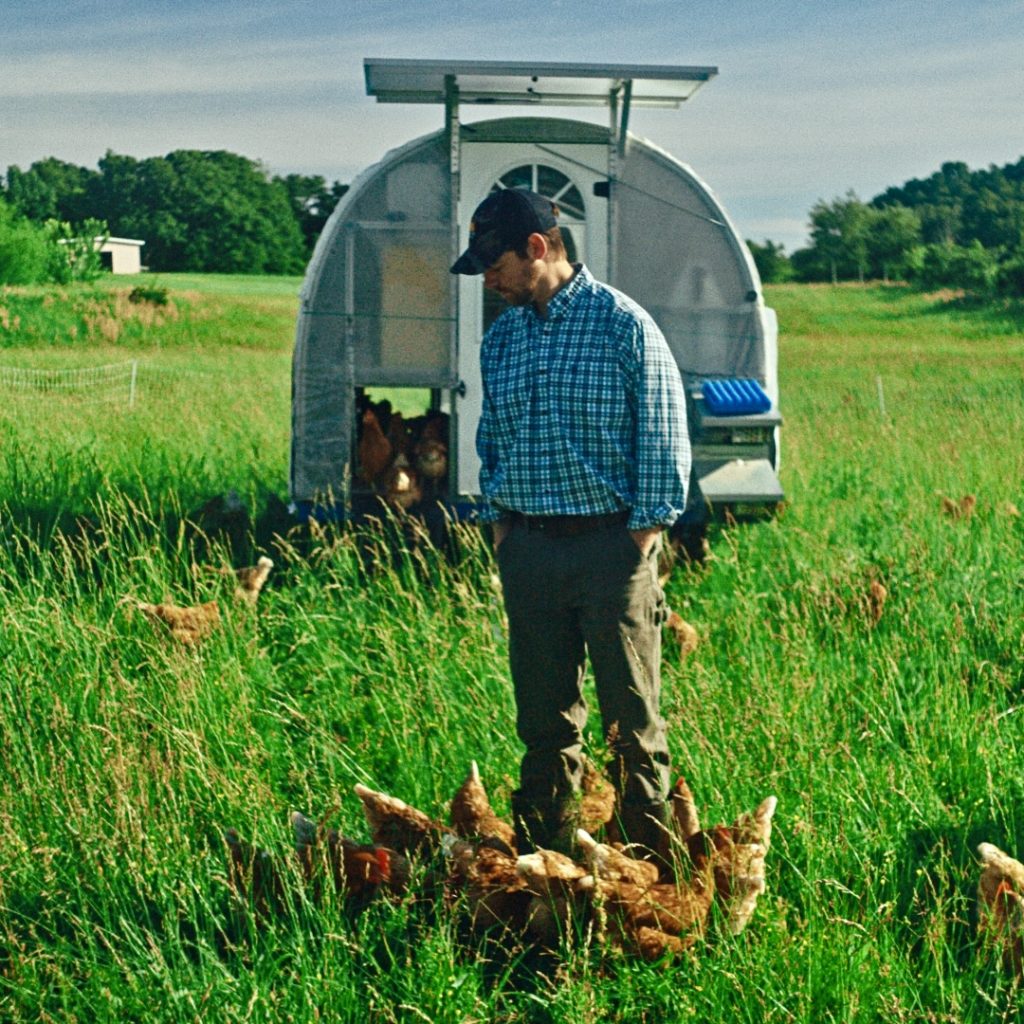
Before long, neighboring farmers took notice of the unique mobile coop design and began inquiring about the Samuels’ methods. Their small homestead was showing potential to become something larger. Sensing an opportunity to support like-minded farmers and meet a growing demand for quality eggs, Patrick and Victoria launched Sunnyside Egg Co. and began selling their eggs through a mail-subscription service.
What followed was rapid evolution. In a stroke of serendipitous timing, a major bird flu outbreak disrupted the commercial egg market. While commercial farms struggled, Sunnyside’s flocks remained healthy, protected by their strong immune systems. Desperate to stock shelves, retailers began reaching out to Sunnyside for eggs. Demand surged, prompting the company to transition to a retail-focused model.
Today, Sunnyside partners with small farms across Kentucky and Tennessee. A typical Sunnyside farm manages approximately 3,000 hens—far fewer than the massive commercial flocks, which often concentrate tens of thousands of birds on a single site. The company provides its partner farms with mobile coop designs, thorough onboarding and training and routine oversight. “There’s no one-size-fits-all in regenerative farming,” Patrick says. “Every coop, every farm, every community looks a little different, but our strict standards around breed, feed and housing ensure consistency across all of our farms.”
Patrick credits a lot of his success to lessons he learned during his time as a Green Beret. “Special Forces 101 is understanding your environment and your partners,” he explains. “Agriculture works the same way. You build trust. You find people aligned with your mission, enabling you to turn big ideas into scalable operational systems.”
Sunnyside sells thousands of eggs each week to retailers across the region, and Patrick consistently hears some version of the same feedback from his clients: Sunnyside is what every egg company claims to be but doesn’t actually deliver on. The compliment fuels the mission.
Even as Sunnyside has grown far beyond the small homestead they originally envisioned, the Samuels family still treasures the rhythm of farm life. Their sons spend mornings playing in the pasture, pretending to “hunt” among the coops. “We eat a lot of eggs,” Patrick laughs. “My oldest—he’s 4—eats four or five eggs a day. My wife likes hers fried. I like mine over easy with toast and potatoes.” The family menu offers a daily reminder of why this work matters on both a personal and a community level.
“Agriculture gave me a real purpose after the military. We’re feeding people and changing the industry at the same time,” Patrick says. “We’re proving you can make high-quality eggs affordable without cutting corners or hiding behind labels.”
DID YOU KNOW? For many big brands, “pasture-raised” doesn’t ensure outdoor living. In fact, less than 15% of hens ever go outside, even once, despite what the label suggests.
What Sunnyside Does Differently
Regenerative Farming: By continually moving hens to fresh areas of pasture, the system prevents overgrazing, keeps grass lush and thriving and supports healthier flocks
Small Flocks & Mobile Coops: Around 3,000 hens per farm, housed in units moved regularly across fresh ground. Most labeled eggs still come from large, stationary barns
True Outdoor Life: Hens spend their days outside on real pastures. By contrast, many “pasture-raised” systems only provide a small door to the outdoors that hens rarely, if ever, use
Transparent Farms: Customers are welcome to visit any Sunnyside farm
Organic Feed & Organic Practices: Hens are fed certified-organic feed, and pastures are managed using organic principles: no chemical fertilizers, pesticides, or herbicides
You can find Sunnyside Eggs at Sprouts stores and other local retailers, as well as at their website and Instagram.